

Your shopping cart is empty.
30 years of manufacturing experience, serving 3 countries. Whatever your vessel, plant, or facility needs, RXSOL has you covered.
MSDS, COA and TDS documents are available for all RXSOL products. For product-specific queries, our technical team is available via WhatsApp or email.
Get My 50% Discount — Order Now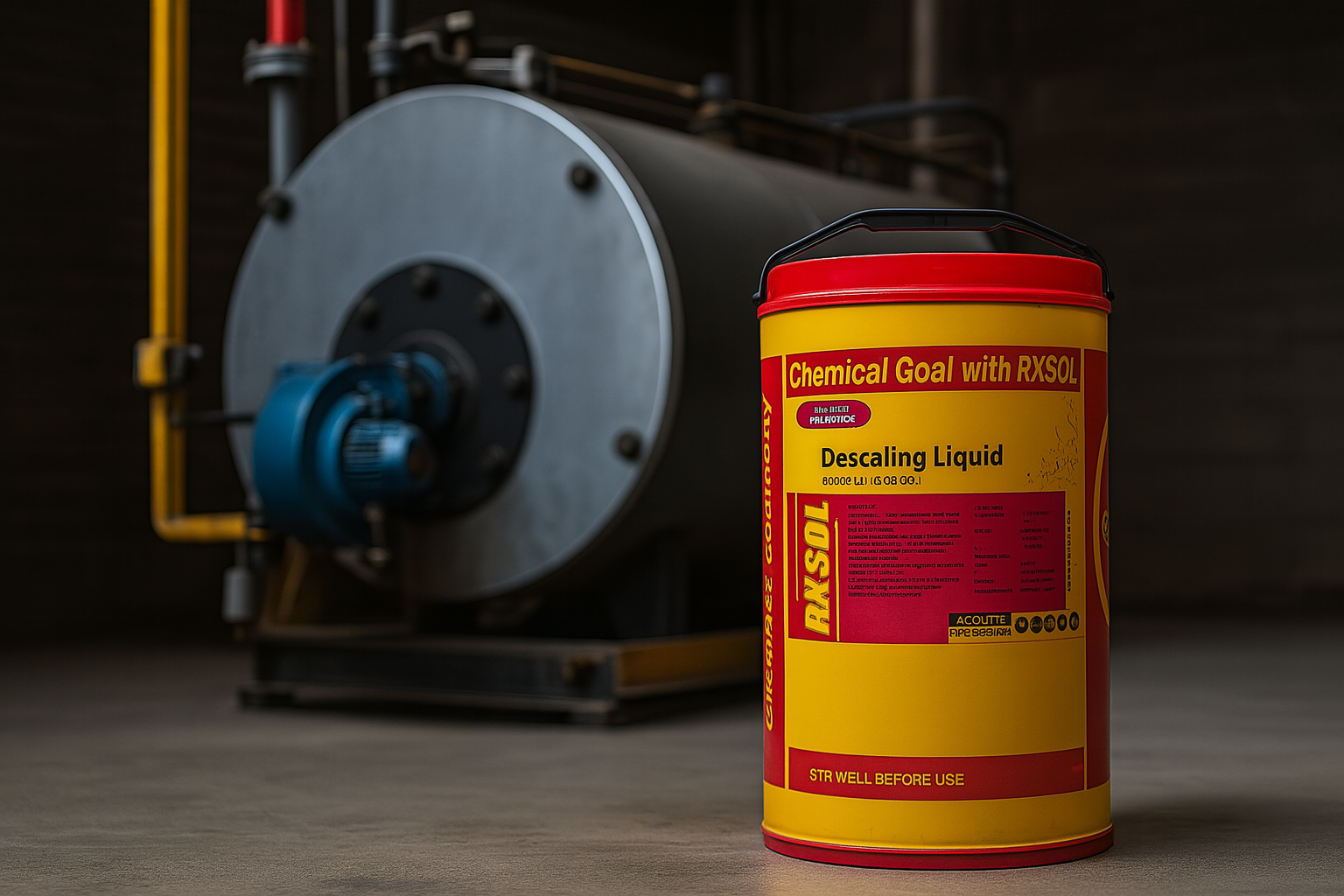
Specialized formulatory products for efficient maintenance of boiler units and chiller plants of industries.
View All Water Treatment Chemicals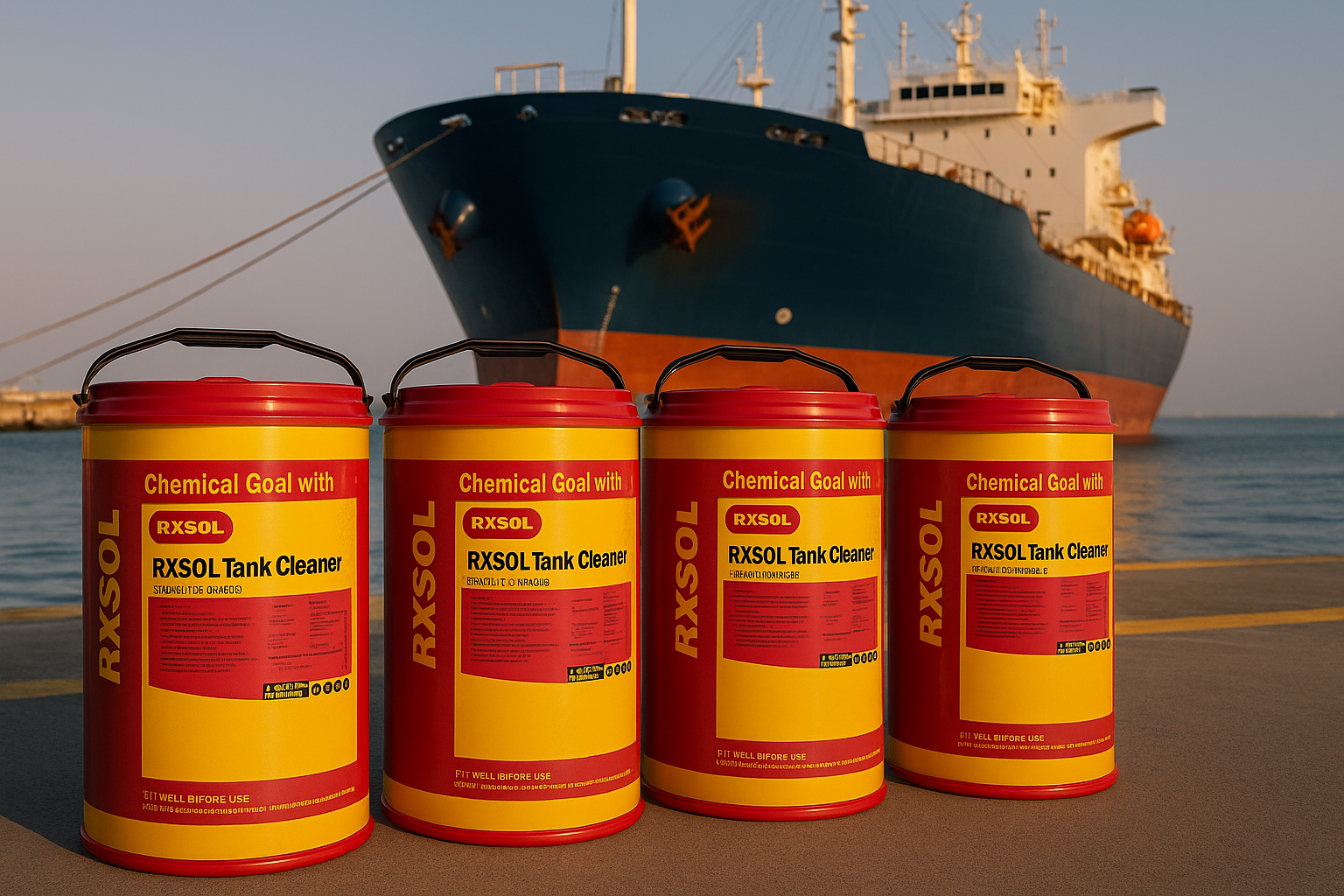
One STOP manufacturer for all of vessel's chemical needs - chemicals, test kits, applicators, etc
View All Marine Chemicals
Ready stock of fast-running chemical raw materials in 6 key locations of India
View All ChemicalsProduct Code: RXSOL-81-2204-210
Hydrostatic testing is a widely used method for verifying the structural integrity of pressure vessels, heat exchangers, and other pressurized equipment. During a hydrostatic test, technicians fill the component with water or another testing fluid and raise the pressure to confirm the system can safely withstand operational stresses. A properly executed hydrostatic testing procedure helps detect leaks, structural weaknesses, and deformation before equipment enters service. This verification step is essential in industries where pressure containment failures could lead to safety hazards, environmental damage, or costly downtime. Because hydrostatic testing involves water and high-humidity environments, corrosion protection is also an important consideration during and after testing.
Industries rely on hydrostatic testing to ensure safe operation, regulatory compliance, and long-term equipment reliability. Common applications include:
Chemical Processing Equipment
Reactors, heat exchangers, and process piping are tested to confirm they can withstand corrosive chemicals and elevated pressures.
Transport Vessels and Storage Tanks
Confirms the safety of tanks and containers used for transporting or storing pressurized materials.
Power Generation Systems
Boilers, condensers, and cooling systems require tests to confirm pressure integrity before operation.
Many of these systems must meet strict regulatory standards such as those set by the Department of Transportation (DOT), ASME, or other industry authorities.
The process follows a structured sequence to safely evaluate pressure containment systems.
The vessel, pipe, or component is completely filled with water or a specialized fluid. Air is removed to prevent compressibility issues that could affect test accuracy.
Pressure is gradually increased using pumps until it reaches the specified test pressure. This pressure is typically higher than normal operating pressure to create a safety margin.
Technicians carefully observe the system for:
If no issues appear during the inspection period, the equipment passes the test.
After inspection, pressure is slowly released, and the test fluid is drained from the system. The equipment may then undergo drying or corrosion protection procedures before being placed into service.
Hydrostatic testing generally falls into two categories, depending on the objective.
This test occurs after manufacturing or installation. It confirms the entire vessel or system meets pressure design specifications before entering service.
Component testing focuses on individual parts within a system. Valves, pipe sections, and fittings may undergo testing to verify their performance within larger assemblies.
Advantages of using Hydrotesting Water
Hydrostatic testing remains the preferred inspection method for pressure systems because it offers several important benefits.
Reliable Leak Detection
Testing under pressure reveals small leaks that could become major failures during operation.
Cost Savings Through Early Detection
Identifying structural weaknesses during testing prevents expensive repairs or catastrophic failures later.
Regulatory Compliance
Hydro tests help organizations meet industry regulations and safety standards.
Extended Equipment Life
Routine testing verifies system integrity and supports long-term asset reliability.
By validating pressure containment systems before operation, hydrostatic testing protects personnel, equipment, and the environment.
#HYDROTESTWaterMussafahIndustrialAreaAbudhabi
#HYDROTESTWaterDubaiSharjahFujairah
#HYDROTESTWaterBarkaMuscatOmanRUWI
How to prevent corrosion during hydrotesting?
While hydrostatic testing provides critical safety validation, it also introduces water into metal systems. If the testing fluid contains dissolved oxygen or ionic contaminants, corrosion may begin almost immediately after the test.
Rust formation can damage the internal surfaces of:
To prevent this issue, many operators add corrosion inhibitors directly to the testing fluid.
RXSOL additives protect metal surfaces during the test and help maintain equipment integrity after draining.
Hydrotest Water manufacturer Turbhe Navi Mumbai, Gandhidham GIDC ANJAR, Howrah Andul Kolkata Haldia, Visakhapatnam, Chennai Dubai, Sharjah, Ajman, Abudhabi, Fujairah UAE, Muscat Barka Ruwi Ghala Oman, Kenya Nairobi, Canada
Oman, Bahrain, Abu Dhabi, Ajman, Al Ain, Dubai, Ras Al-Khaimah, Fujairah, Sharjah, Umm Al Quwain, Ruwais, Mina Zayed, Khalifa Port, Kizad, Jebel Ali, Port Rashid, Khor Fakkan, Sharjah Creek, Port of Hamriyah, Mussafah Port, Saqr Port, Dibba Port, Jebel Dhanna, Mina Al Hamriya, and all major UAE ports.