

Your shopping cart is empty.
30 years of manufacturing experience, serving 3 countries. Whatever your vessel, plant, or facility needs, RXSOL has you covered.
MSDS, COA and TDS documents are available for all RXSOL products. For product-specific queries, our technical team is available via WhatsApp or email.
Get My 50% Discount — Order Now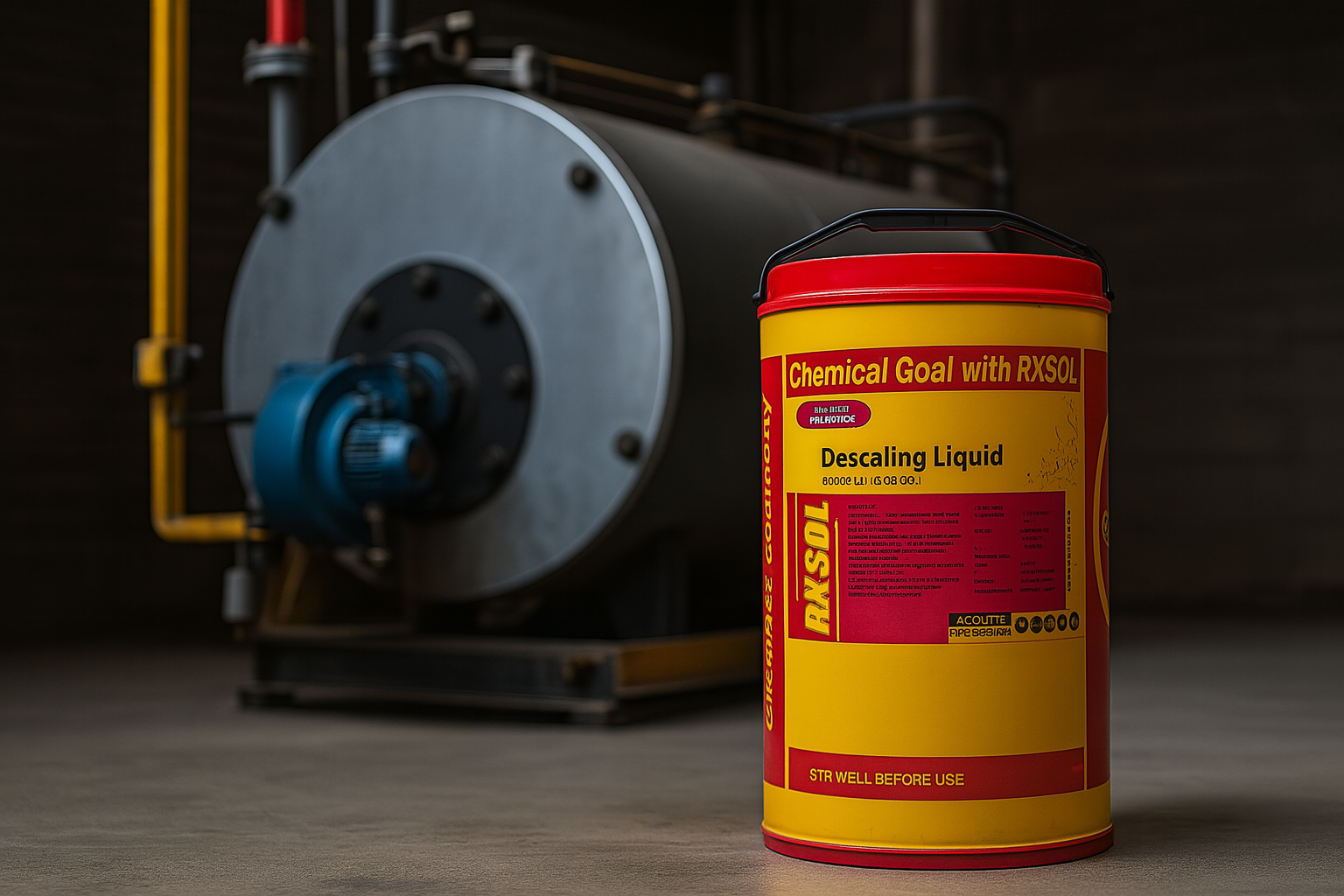
Specialized formulatory products for efficient maintenance of boiler units and chiller plants of industries.
View All Water Treatment Chemicals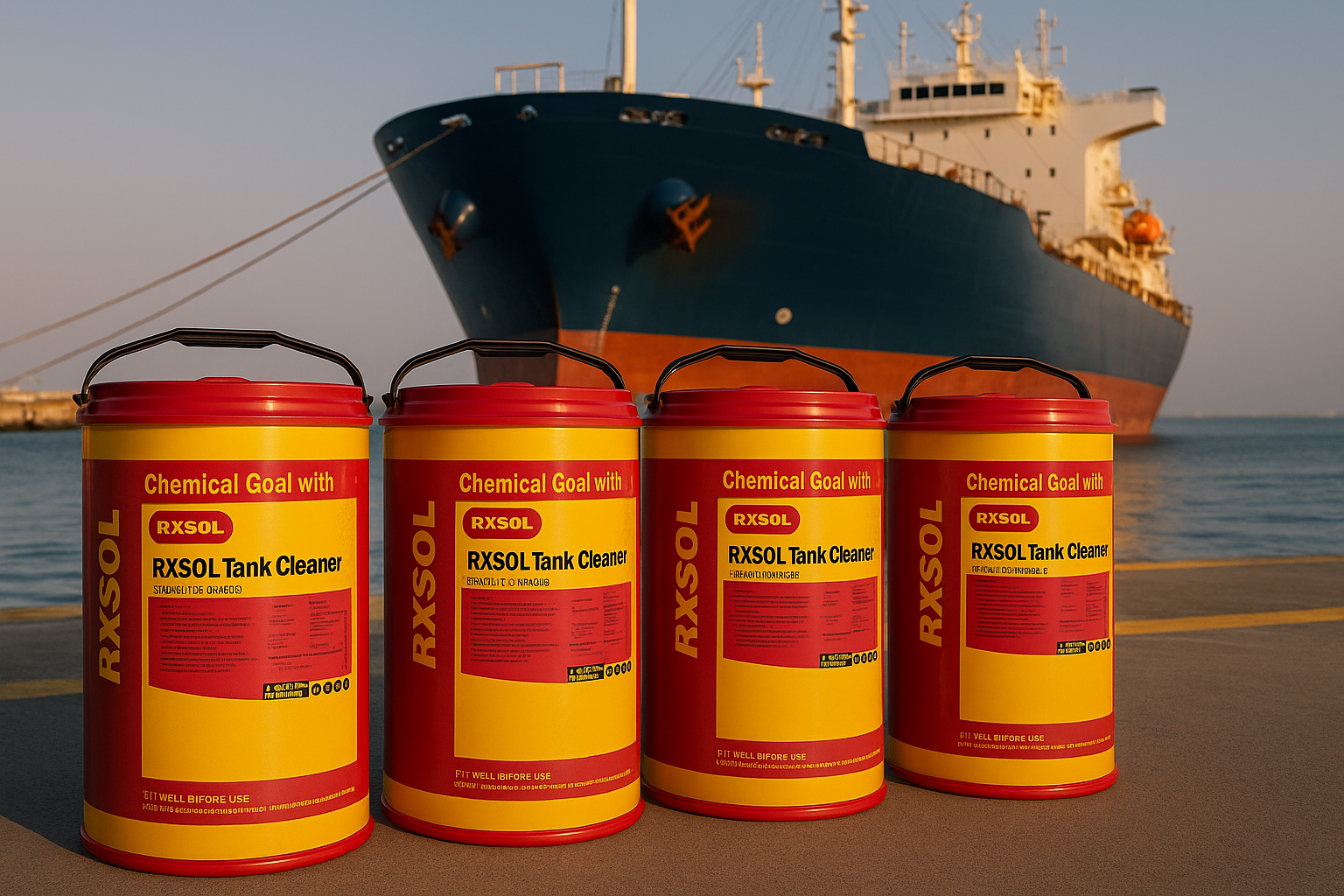
One STOP manufacturer for all of vessel's chemical needs - chemicals, test kits, applicators, etc
View All Marine Chemicals
Ready stock of fast-running chemical raw materials in 6 key locations of India
View All ChemicalsProduct Code: RXSOL-60-6604-652
Add Gram's iodine for 1 minute- this is a mordant, or an agent that fixes the crystal violet to the bacterial cell wall. Rinse sample/slide with acetone or alcohol for ~3 seconds and rinse with a gentle stream of water. The alcohol will decolorize the sample if it is Gram negative, removing the crystal violet.
The Gram staining is one of the most crucial staining techniques in microbiology. ... The first step in gram staining is the use of crystal violet dye for the slide's initial staining. The next step, also known as fixing the dye, involves using iodine to form crystal violet- iodine complex to prevent easy removal of dye.
Exposing gram negative cells to the decolorizer dissolves the lipids in the cell walls, which allows the crystal violet-iodine complex to leach out of the cells. This allows the cells to subsequently be stained with safranin.
Interpretation of results
The Gram stain is a differential staining technique most widely applied in all microbiology disciplines laboratories. It is one of the most important criteria in any identification scheme for all types of bacterial isolates. Different mechanisms have been proposed to explain the gram reaction. There are many physiological differences between gram-positive and gram negative cell walls Ever since Christian Gram has discovered Gram staining, this process has been extensively investigated and redefined In practice, a thin smear of bacterial cells is stained with crystal violet, then treated with an iodine containing mordant to increase the binding of primary stain A decolourizing solution of alcohol or acetone is used to remove the crystal violet from cells which bind it weakly and then the counterstain (like safranin) is used to provide a colour contrast in those cells that are decolourized. Gram-positive bacteria have a thick mesh-like cell wall made of peptidoglycan (50–90% of cell envelope), and as a result are stained purple by crystal violet, whereas gram-negative bacteria have a thinner layer (10% of cell envelope), so do not retain the purple stain and are counter-stained pink by safranin. In a properly stained smear by gram staining procedure, the gram-positive bacteria appear blue to purple and gram negative cells appear pink to red.
Oman, Bahrain, Abu Dhabi, Ajman, Al Ain, Dubai, Ras Al-Khaimah, Fujairah, Sharjah, Umm Al Quwain, Ruwais, Mina Zayed, Khalifa Port, Kizad, Jebel Ali, Port Rashid, Khor Fakkan, Sharjah Creek, Port of Hamriyah, Mussafah Port, Saqr Port, Dibba Port, Jebel Dhanna, Mina Al Hamriya, and all major UAE ports.